

Video ideas for a medical practice.
Patients arrive with the same questions every week. Here is how we turn them into a month of video, filmed in one day at the practice, with your doctors doing the explaining.


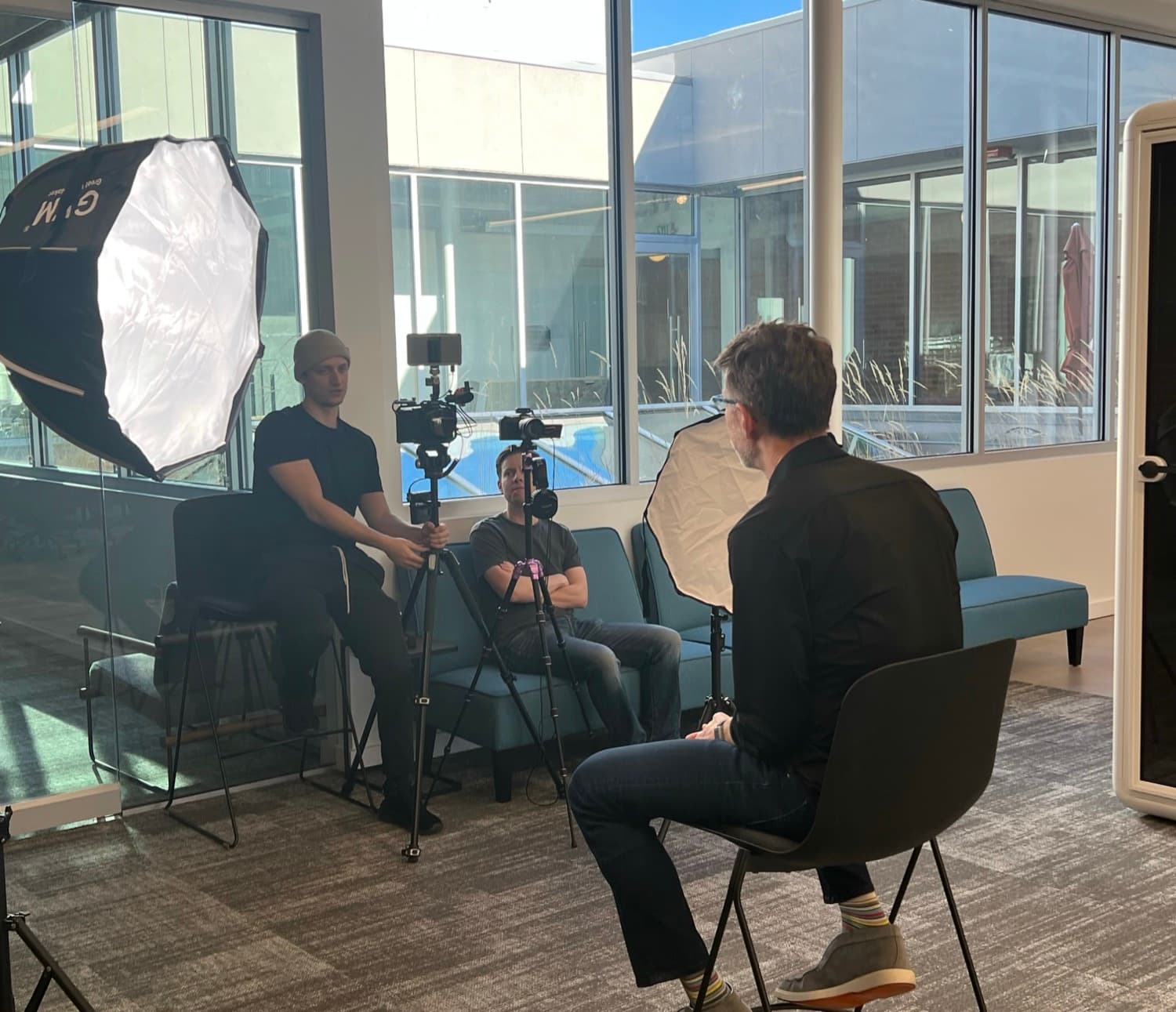
Every practice has a list of questions it answers every day. What happens at the first appointment. Whether a procedure hurts. How long recovery takes. What to bring, where to park, which forms to fill in. Your front desk could recite the list from memory, and every question on it is something a future patient is already wondering about.
We film at a practice one day a month and build the whole month on that list: your doctors and staff answering the questions on camera, in plain words, with the practice around them. This is how we plan that day, what happens on it, and what the practice stays in control of from start to finish.
Start with the questions patients already ask.
The strategy meeting comes first. Before it, we ask the front desk, the nurses and the practice manager to write down the questions they hear most, in the words patients use. Then we sort them. Some are about the practice: the first visit, the paperwork, how to book. Some are about a treatment. Some are about a condition. Your staff can answer the first kind. The second and third belong to the doctors.
The practice manager adds a second list: the treatment you want more patients to ask about, the service people don't know you offer. Those go near the top, next to the questions patients already ask.
Some questions don't belong on social at all. Anything that depends on a patient's own history is a conversation for the exam room, so we leave those out, and the posts point people to book instead.
From the list that is left, we develop the interviews with you. Each doctor gets their questions ahead of the day, so nobody is asked to improvise, and nobody is asked to talk outside their own specialty. A good answer on camera sounds like the explanation a doctor already gives in the exam room, only shorter.
A filming day at the practice.
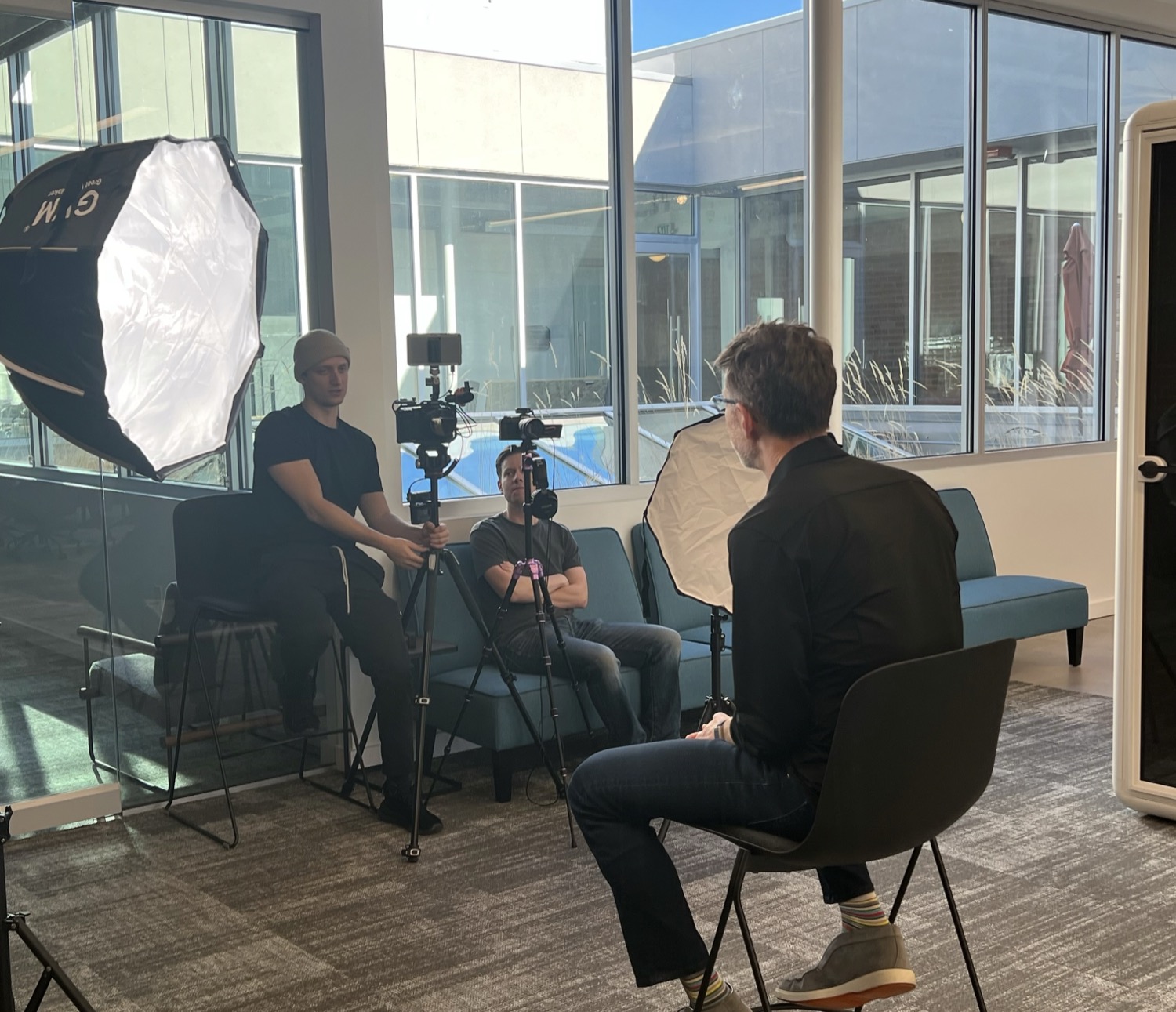
A practice runs on appointments, so the day is built around them. We set up one room for interviews, lit and ready before the first doctor is due, so each doctor can step in between patients, answer their questions and get back to work. The rest of the day we film around the schedule: the building, the waiting room, the equipment, the staff at work.
Patients are not part of the footage unless the practice has arranged it with them. We film empty rooms, staff and equipment, and we keep screens, charts and paperwork out of frame. Your practice's own privacy rules decide what can be filmed, and we agree the list with you before the day, not on it.
On camera, doctors look most like themselves in what they wear to work: the coat or the scrubs patients already know. Solid colors film better than fine patterns, and a name badge that reads clearly does part of the introduction for them.
- The doctors One question per answer, filmed so each answer stands on its own as a clip.
- The front desk The practical questions, answered by the people who answer them on the phone.
- The rooms Exam rooms, equipment and the building, filmed as B-roll to sit under the interviews.
- The team The people a patient will meet, so the first visit starts with faces they have seen.
If your front desk answers it every day, it belongs on the feed.
What the month looks like, and who approves it.
One raw video becomes 30 edited clips. For a practice, we would shape the month like this:
- The answers One question, one voice, one short clip for the feed.
- The full explanation A doctor's longer answer, run in full as a long-form film and in pieces on social.
- The first visit What happens from check-in to the exam room, told by the staff who do it.
- The practice The rooms and the team between the answers, so the feed feels like a place.
Every clip is subtitled, so it works with the sound off, and formatted for the platform it goes to. We post every day, write the captions and handle the comments and DMs. The longer answers belong on your website too, next to the treatment they explain, where a patient reading about it can press play.
Nothing about the practice goes out without the practice. You approve the month's plan and every post before it is published. When a comment or a message needs a clinician, it goes to your team, not to us. People asking to book go straight to your staff.
At the end of the month there is a report on what people watched and asked. The next strategy meeting opens with it, and the questions that came in through the comments become next month's interviews. The list your front desk started keeps growing, and so does the library of answers.
If you want the team photographed as well, on-site team headshots are a separate service from our photo studio in Oakland Park, with one consistent frame for everyone on the team.
Your staff answer these questions every day already. What a busy practice doesn't have is the time to film the answers, cut them and post them. One planned day a month, and a team that does the rest, puts them where the next patient is looking. Here is how the plan works for medical practices.
Common questions.
Your practice, explained by the people who run it.
One day a month, we film at your practice: your doctors and staff explaining what you do, in plain words. Then we edit it, run the accounts, and publish nothing without your approval.
More from the blog.
Let's film your company.
Tell us what your company does and what happens there on a schedule. We'll come back with what a month of content could look like.